
The Environment Act 2021 included an imperative for businesses to ensure that commercial food waste disposal is handled by licensed contractors.
The Act also obliged local Authorities to arrange for weekly collections of domestic food waste.
Every household in England now has the opportunity to put their food waste into a ‘Caddy’ so it can be sent to be processed into:
- Green Biogas, or
- Green Electricity, and
- Natural Fertiliser for fields
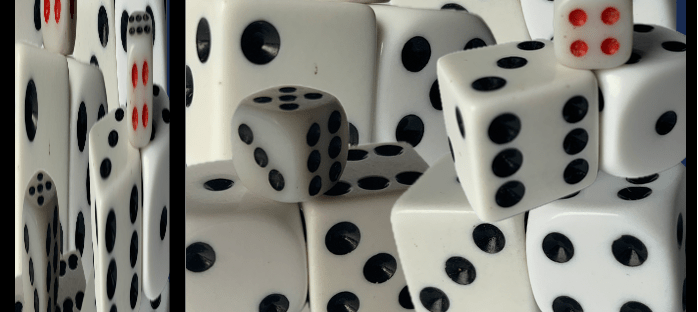
Technically, the Caddy is not a cube which is a three-dimensional geometric shape defined by six equal, square faces, all meeting at right (90-degree) angles. With neat if not technically correct dimensions of W25.2 x H23.4 x D22.9 cm each Caddy is small enough to hide somewhere convenient or, if you are an environmental activist, place in a prominent spot and cover with ‘save the planet’ stickers!
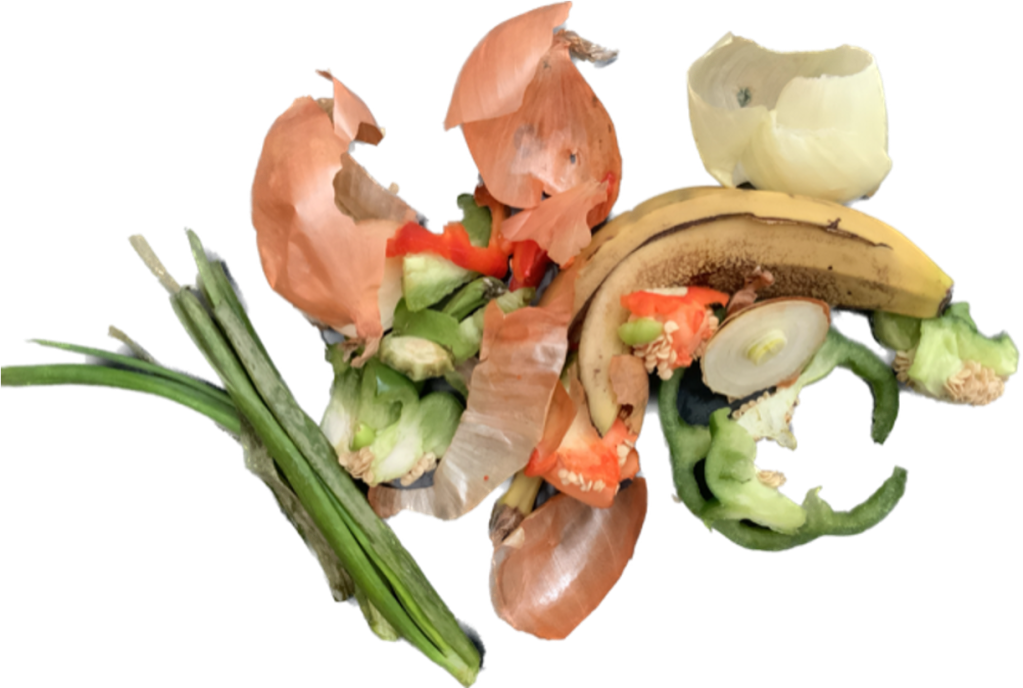
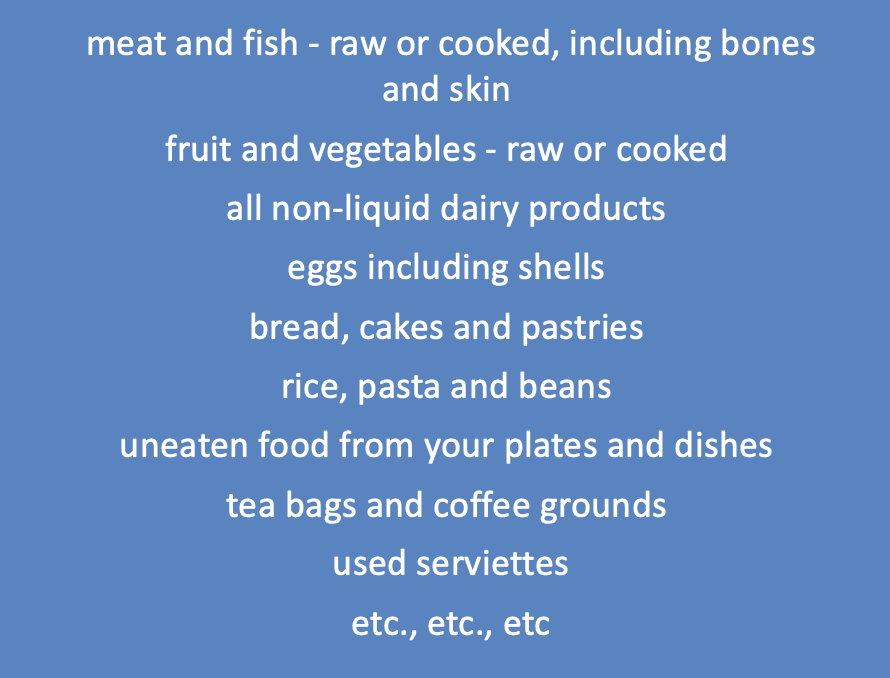
So, what can you put into your waste food Caddy? That is a really good question!
So what happens to the kitchen waste when it is collected by the ‘Bin’ vans? That is also a really good question
The kitchen waste is taken to a Biodigester Facility where the material is processed and then ‘fed’ into a biodigester like the ones shown below. The Biodigesters contain liquid and the waste is mixed in with the liquid together with special Methanogenic bacteria. Methanogenic bacteria live and grow without oxygen. The process is anaerobic and produces the gas Methane which rises into the inflated domes. The gas is pumped off to be used as a fuel to make Biogas or Green Electricity.
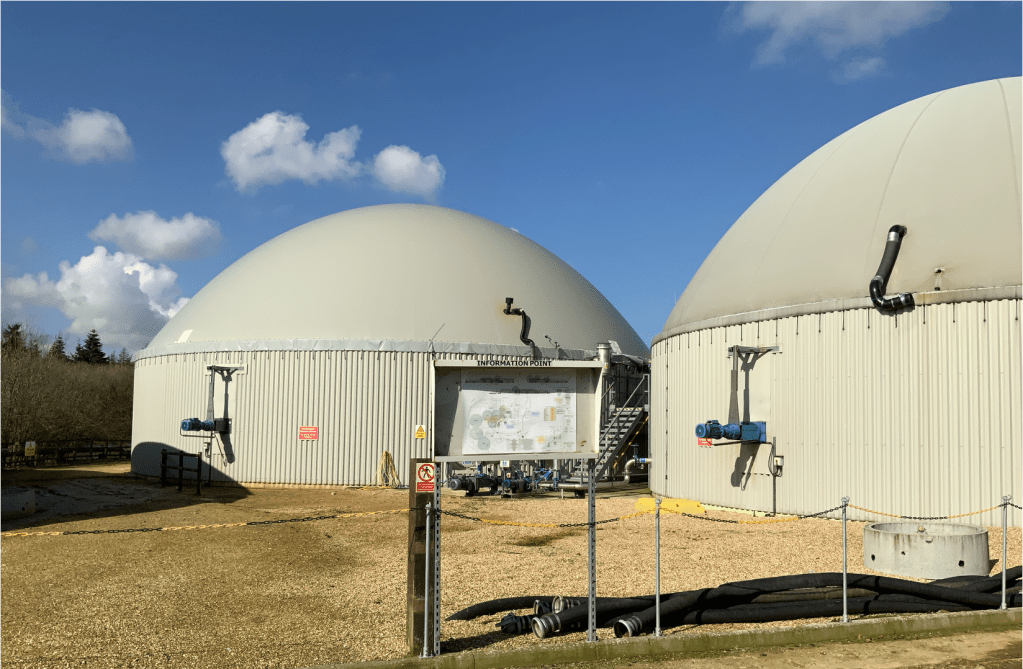
The liquid which is left over from this process is called digestate and is pumped of to storage tanks. Ultimately it is removed from site and sprayed across farm fields as a natural fertiliser.
BUT, you may say, I already compost kitchen waste!
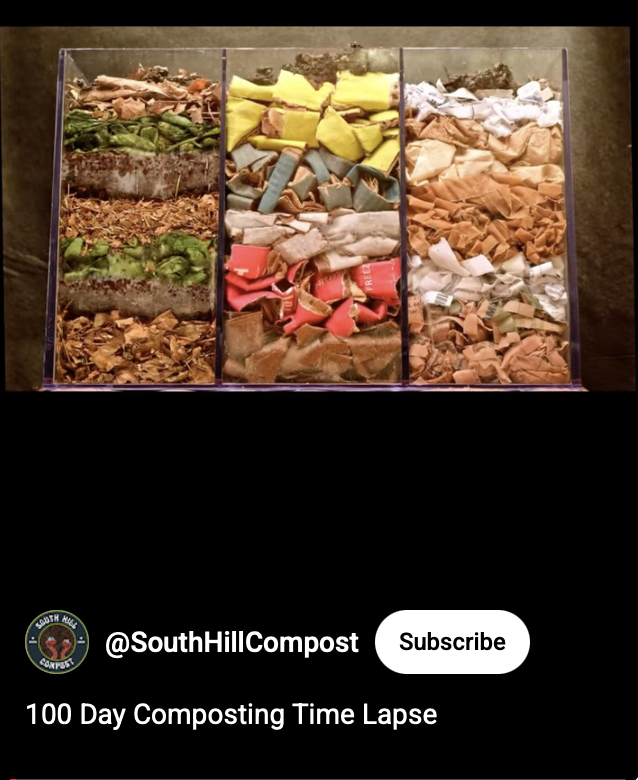
A lot of residents and especially gardeners will already have a compost heap or container in their garden and regularly put food peelings, egg shells and other kitchen waste into the compost bin. This is great and depending on where the bin is and how much sunlight/rain it receives, all the plant material should breakdown and in time provide a rich, natural compost ready for use in the garden. You can watch a time lapse video of natural waste breaking down aerobically with the aid of worms and other arthropods.
However, generally speaking cooked foods, meat, fish and poultry left overs should not be put into compost bins. This is for three reasons:-
- the contents will become very malodorous (stinky). Indeed, in a short period of time it may become putrid.
- this will attract vermin including rats.
- The process of decomposition aerobically will release the Greenhouse gases Methane and Carbon Dioxide freely into the atmosphere which will exacerbate Global Warming.
Reasons why putting YOUR kitchen food waste out for collection is SO Very IMPORTANT!
Historically, well 50 years ago, there was only one rubbish bin for each house. It was made of galvanised steel and was really quite small. The ‘Bin Men’ came once a week and all the rubbish, whatever it was, was sent to ‘landfill’ or in the case of cities like London, shipped out and dumped at sea.
Landfill dumping of rubbish became a significant nightmare. Not only did we run out of land to fill with ‘rubbish’, the mountains of rubbish dumped in landfill pits started to produce methane which:
- was a hazard due to the risk of explosion
- leaked up into the atmosphere as a greenhouse gas
Beneath the landfill dumps, liquid called leachate collects. This liquid was (still is) potentially extremely toxic and leaked into rivers and waterways from unlined landfills. The newer landfills are lined with a waterproof material. This collects the leachate which is pumped off to be ‘treated’ by specialist companies. The cost of treatment is high and continuous as rain falls into the landfill areas before they are ‘capped off’ and organic materials rot.
To reduce the volume of rubbish being sent to landfill, Councils introduced Blue recycling bins and separate glass collection boxes. This was a good step towards cleaner waste disposal giving renewable materials a second life.
However, the amount of rubbish in the black bins still grew and the lack of ground available for landfill became a catastrophe.
The mixed waste rubbish had to go somewhere!
Government intervened and County councils individually had to come up with schemes to deal with the issue
Many councils decided to send black bin waste to incinerators, this created two key issues
1. The waste was not sorted so there was no control over just what was burnt and in some cases what fumes were released into and polluted the atmosphere – also referred to as the landfill in the sky
2. An estimated 1/3rd of black bin ‘rubbish’ is kitchen/food waste which is inherently and to varying degrees wet or very moist. To successfully incinerate food waste requires a lot of expensive and polluting power to dry the material before it will burn
This is literally CRAZY!
Caddy Power!
Kitchen food waste caddies give you the opportunity to make a real environmental difference. Every scrap is important ….. really important. Our food waste is valuable. It can provide power to generate clean green energy. Once processed the residue becomes a natural fertiliser which can replace expensive artificial fossil fuel derived fertilisers.
You literally have the power in your kitchen caddy to change the world!
RECYCLE your kitchen food waste!
FEED Biodigesters!
HELP to clean up our Planet.
USE YOUR CADDY!
Making Planet Earth a Greener, Cleaner, Sustainably better place to live
One Apple Peeling at a time……
© Bo Nightingale 2025

 Claudia Bow