
Part 3 of 5
The Chemical Science of Plastics
I have a confession to share with you – I should have studied Maths and Chemistry at school instead of the boys!
I also confess that I am actually old enough to be the mother of Dr Hannah Fry :-
- Professor of the Public Understanding of Mathematics at the University of Cambridge
- Writer and presenter of the BBC’s The Secret Genius of Modern Life https://www.bbc.co.uk/programmes/m001f1tg
- Presenter of The Future With Hannah Fry on Bloomberg Originals https://www.bloomberg.com/originals/series/the-future-hannah-fry
- 6′ red head, and self confessed “all round badass”! https://hannahfry.co.uk
Had the opposite been the case and I was young enough to be a daughter of Hannah Fry, I would have had an amazing female role model to inspire and encourage a naturally curious teenage girl to have aspirations beyond leaving school at 4.00 p.m. to watch Scooby Doo cartoons because I didn’t have a Scooby.
In that case I would have upped my game plan and studied Maths and Chemistry at school as well as the Psychology of Men!
What is plastic
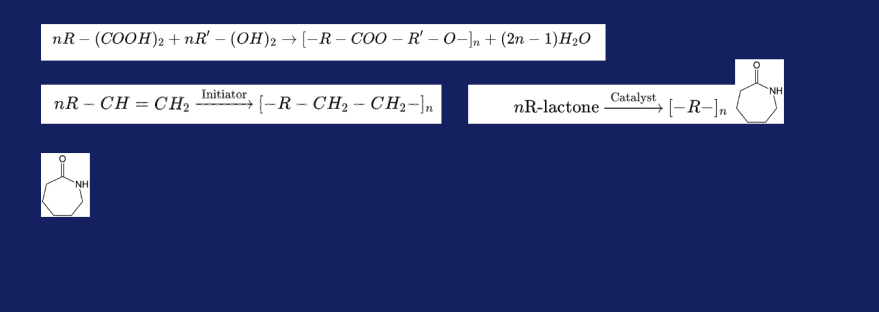
Chemical Engineer Chris Clark explained that there are three basic forms of plastic which have distinct and different chemical formulae. He then highlights the key issues we face dealing with the issue of Plastic Pollution:-
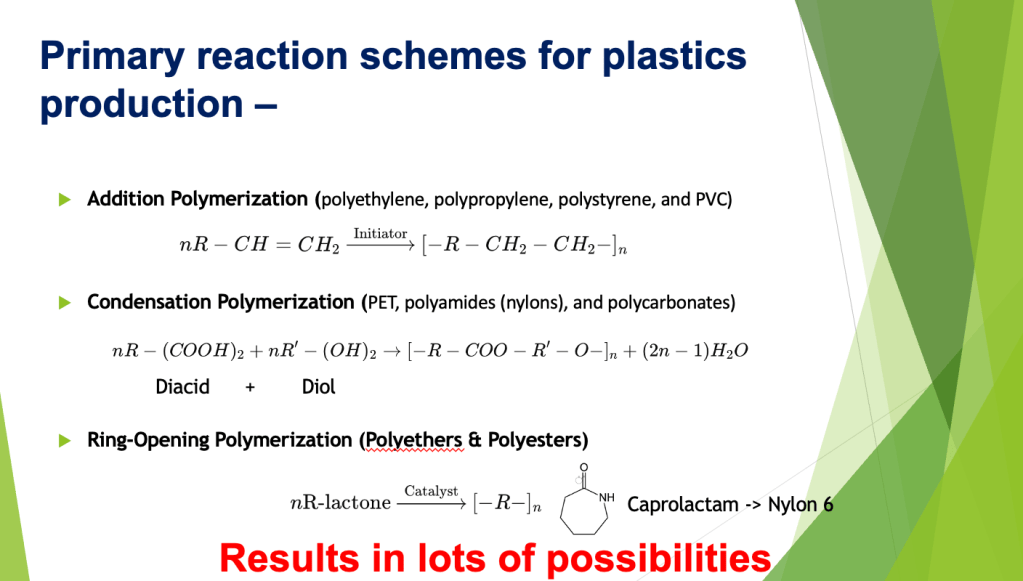
Primary reaction schemes for plastics production –
- Addition Polymerization (polyethylene, polypropylene, polystyrene, and PVC)
- Condensation Polymerization (PET, polyamides (nylons), and polycarbonates)
- Ring-Opening Polymerization (Polyethers & Polyesters)
Plastic Additives
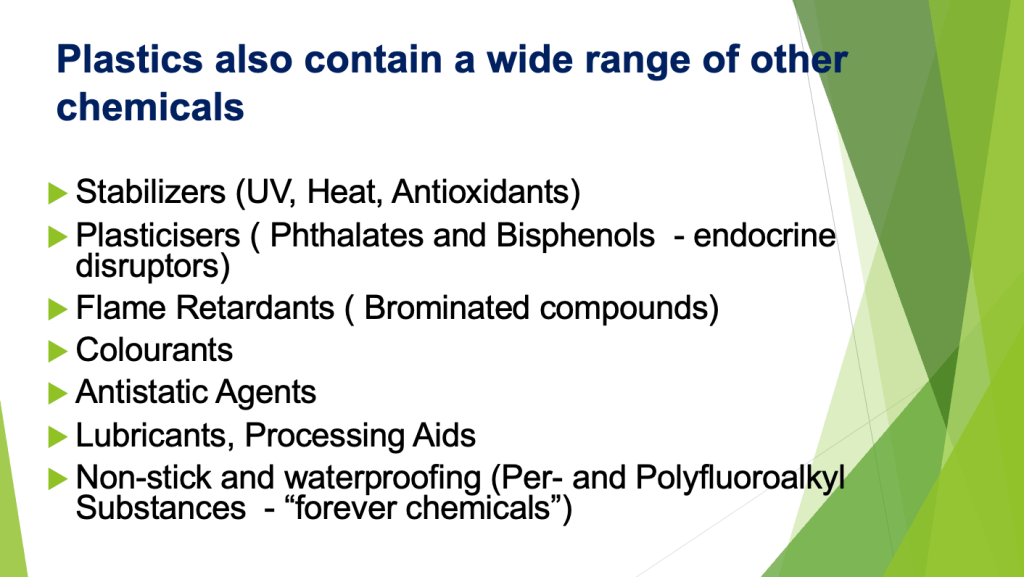
Since the 1950’s a growing range of uses have evolved and as a consequence plastics also contain a wide range of other chemicals
- Stabilizers (UV, Heat, Antioxidants)
- Plasticisers ( Phthalates and Bisphenols – Endocrine Disruptors)
- Flame Retardants ( Brominated Compounds)
- Colourants
- Antistatic Agents
- Lubricants, Processing Aids
- Non-stick and Waterproofing (Per- and Polyfluoroalkyl Substances – “forever chemicals”)
Plastics production by type
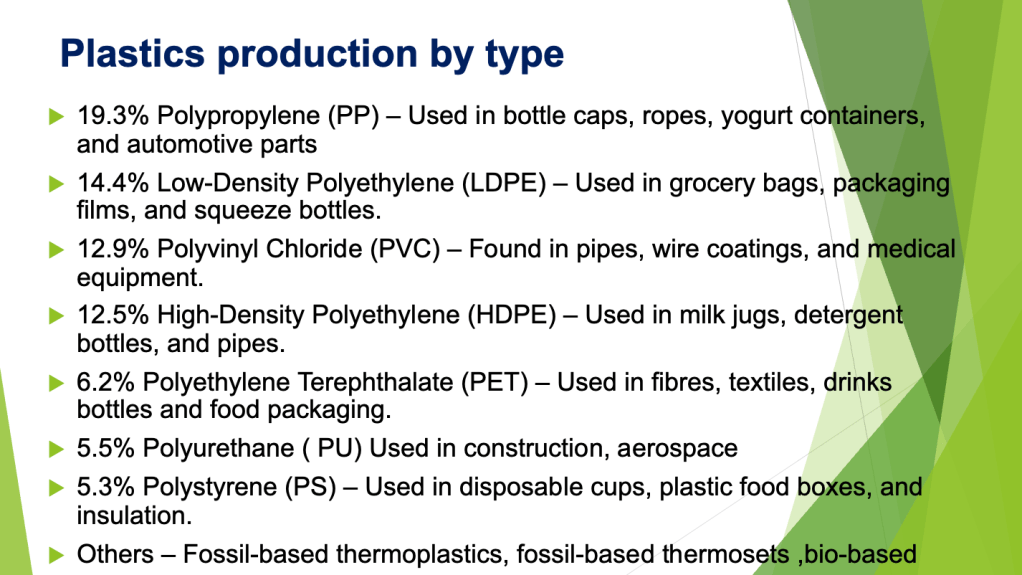
There are a wide range of plastic types and the above table indicates the percentage of production for each type. Most of us will be familiar with PVC; the other plastic types are not so familiar to most humans unless they endeavour to investigate the ‘recycling’ protocol.
Global plastics by use
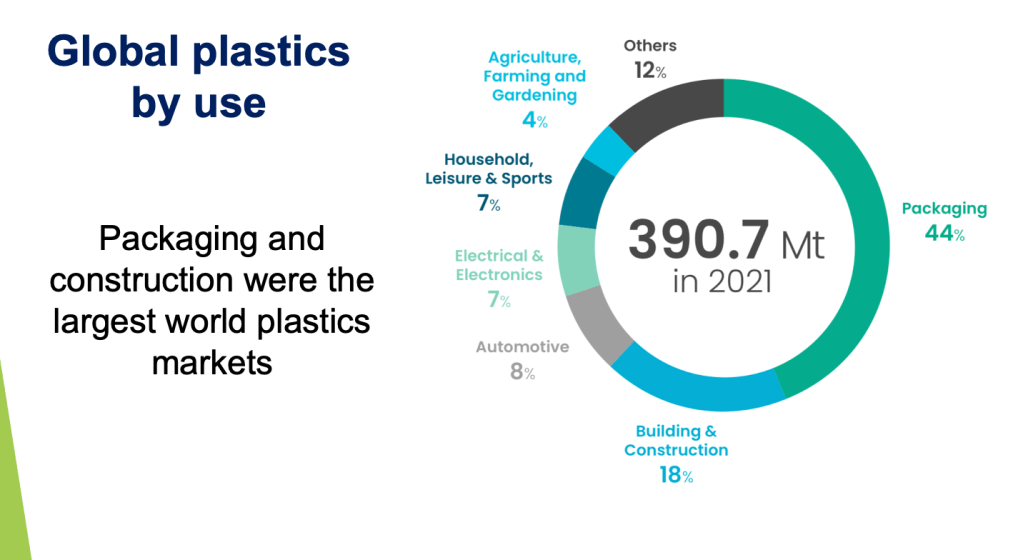
In 2021 390.7 million metric tonnes of plastic was produced globally.
- 44% Packaging
- 18% Building and Construction
- 8 % Automotive
- 7% Electrical and Electronics
- 4% Agriculture, Farming and Gardening
- 12% Others.
A key point is that the 44% packaging is likely to be single use plastic which will have a short useful life before becoming plastic waste.
Reasons why less than 10% of plastic ever made has been recycled.
There are two key reasons why so little plastic is ever recycled.
Firstly there are the Technical ‘Barriers’ to plastic recycling.
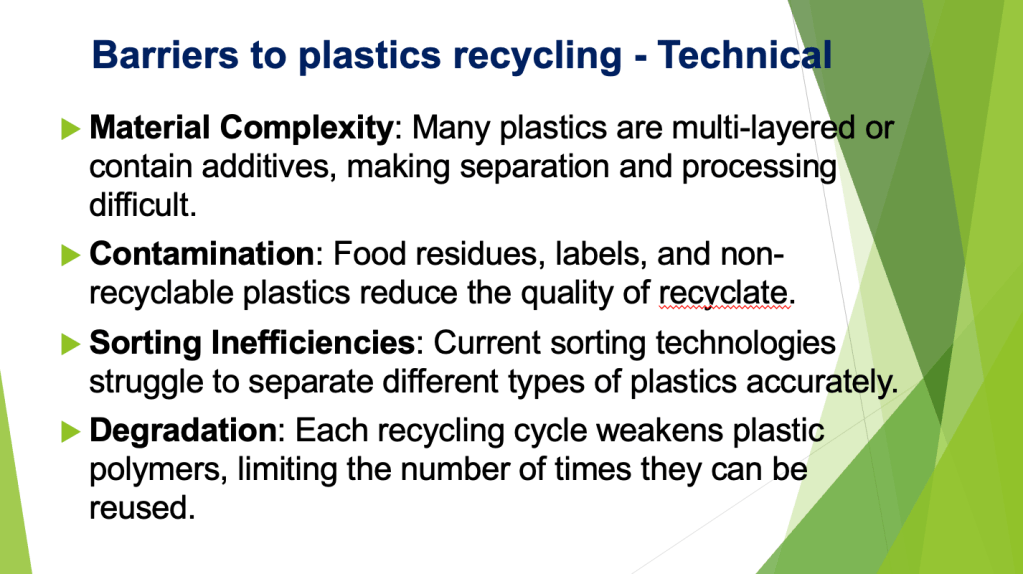
The issues include:-
- Material Complexity: Many plastics are multi-layered or contain additives, making separation and processing difficult.
- Contamination: Food residues, labels, and non-recyclable plastics reduce the quality of recyclate.
- Sorting Inefficiencies: Current sorting technologies struggle to separate different types of plastics accurately.
- Degradation: Each recycling cycle weakens plastic polymers, limiting the number of times they can be reused.
Secondly there are the Social and Economic barriers to plastic recycling
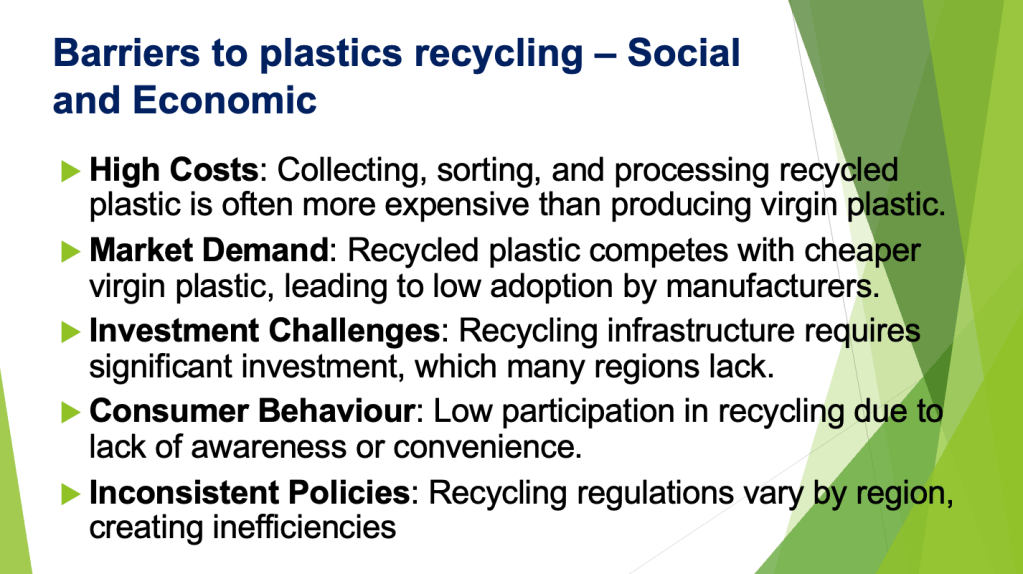
- High Costs: Collecting, sorting, and processing recycled plastic is often more expensive than producing virgin plastic.
- Market Demand: Recycled plastic competes with cheaper virgin plastic, leading to low adoption by manufacturers.
- Investment Challenges: Recycling infrastructure requires significant investment, which many regions lack.
- Consumer Behaviour: Low participation in recycling due to lack of awareness or convenience.
- Inconsistent Policies: Recycling regulations vary by region, creating inefficiencies
Microplastics – How much should we be concerned ?

- Formed fragmentation of larger plastic waste due to physical, chemical, and biological degradation.
- Microbeads added to consumer products (toothpaste, face creams, body washes etc) – banned in UK from 2018.
- Now found in all parts of the ecosystem and in every organ of the human body.
Microplastics – Environment and health impact.
- Research has grown exponentially since 2010, with the focus shifting to terrestrial ecosystems and biological risks, including human health risk (1555 publications in 2021).
- Animal studies point to detrimental effects on the digestive, reproductive and respiratory systems.
- A recent study indicates that microplastics impair plant photosynthesis, leading to estimated losses of staple crops like wheat, rice, and maize ranging from 4% to 14%.
- Microplastics come in a range of shapes, sizes, materials and contaminants , each of which may have distinct health and environmental effects – making it impossible, at least for now, to know if microplastics are detrimental to human health.
Next …… Take Time to Change – We really are the Solution!
A narrated video version of these posts, less the chemistry, is available on YouTube

 Claudia Bow
1 thought on “Plastic Pollution 3 – We are the Solution”